
Shop online
Hydroponic kits, grow lights and grow tents
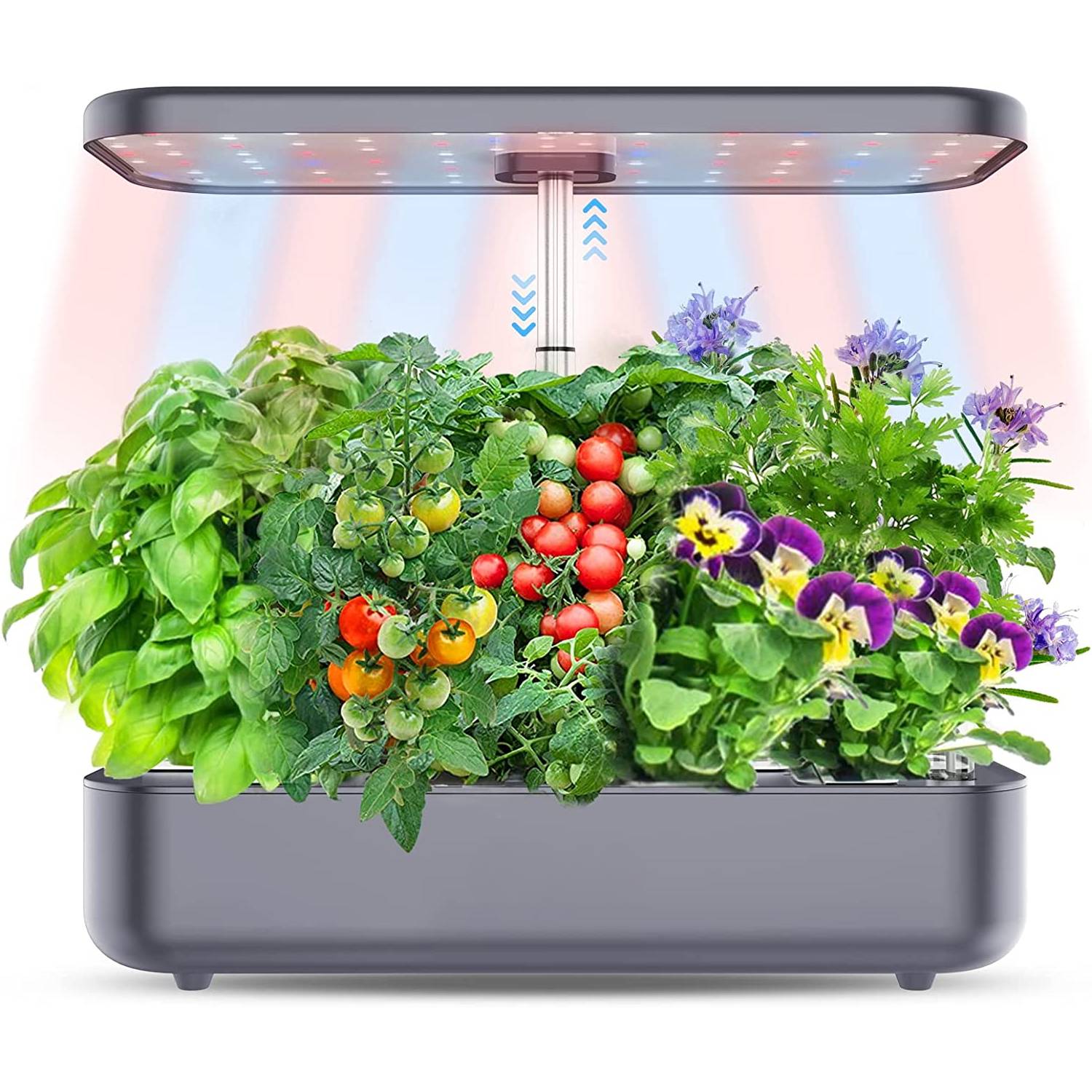
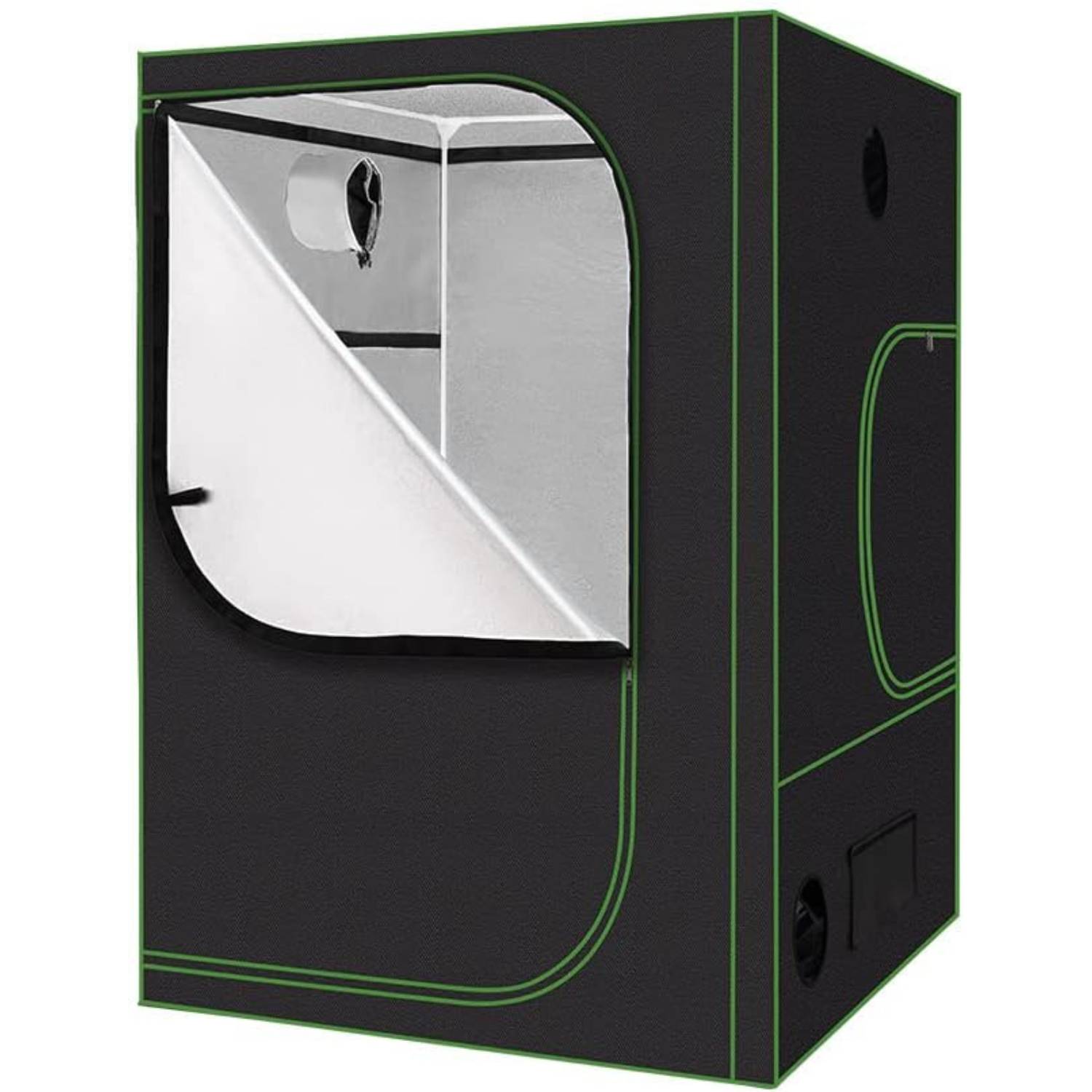
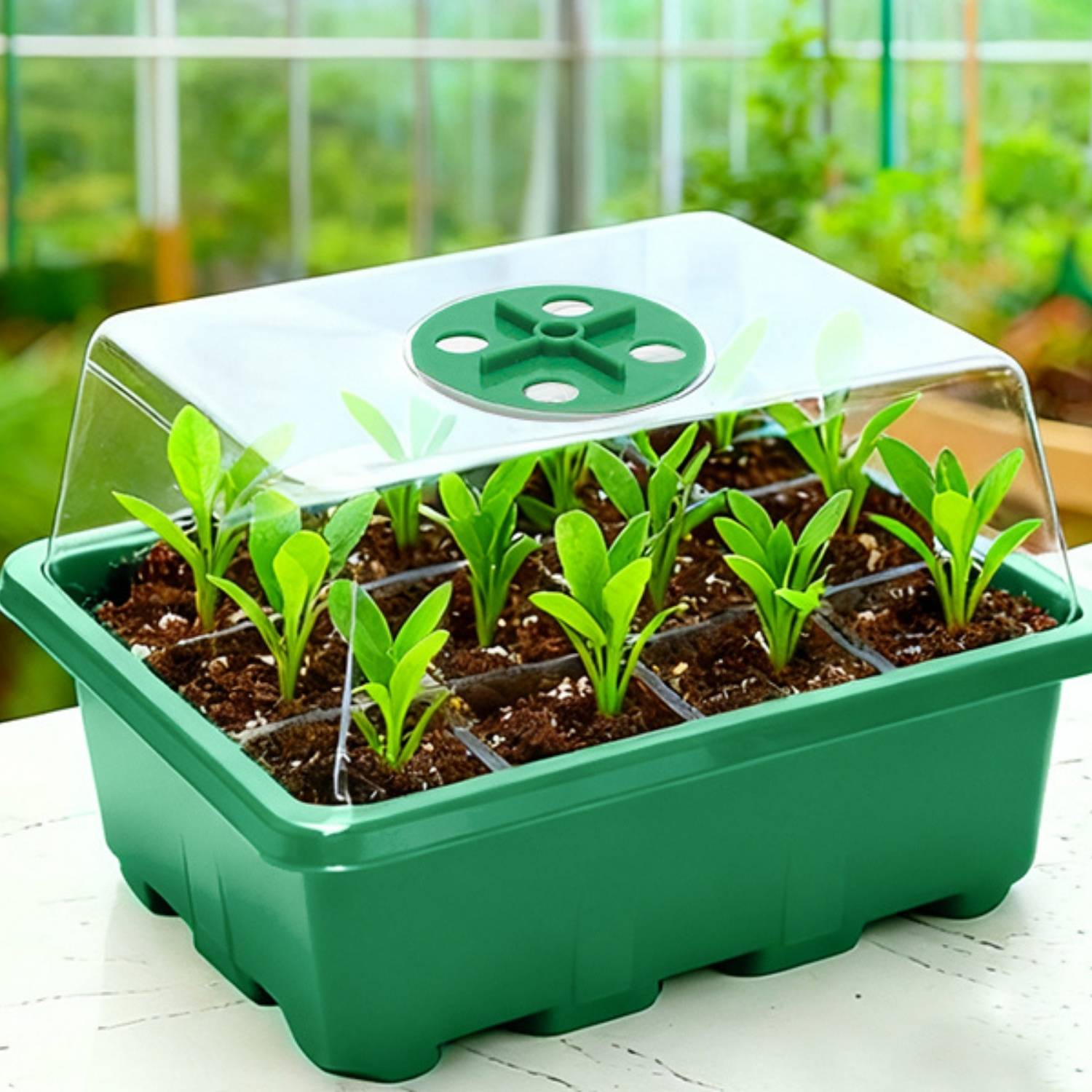
Nutrient film and deep water culture systems, a countertop herb garden, LED grow lights, indoor grow tents and reusable seed starter trays. Free delivery across the UK on orders over £50.
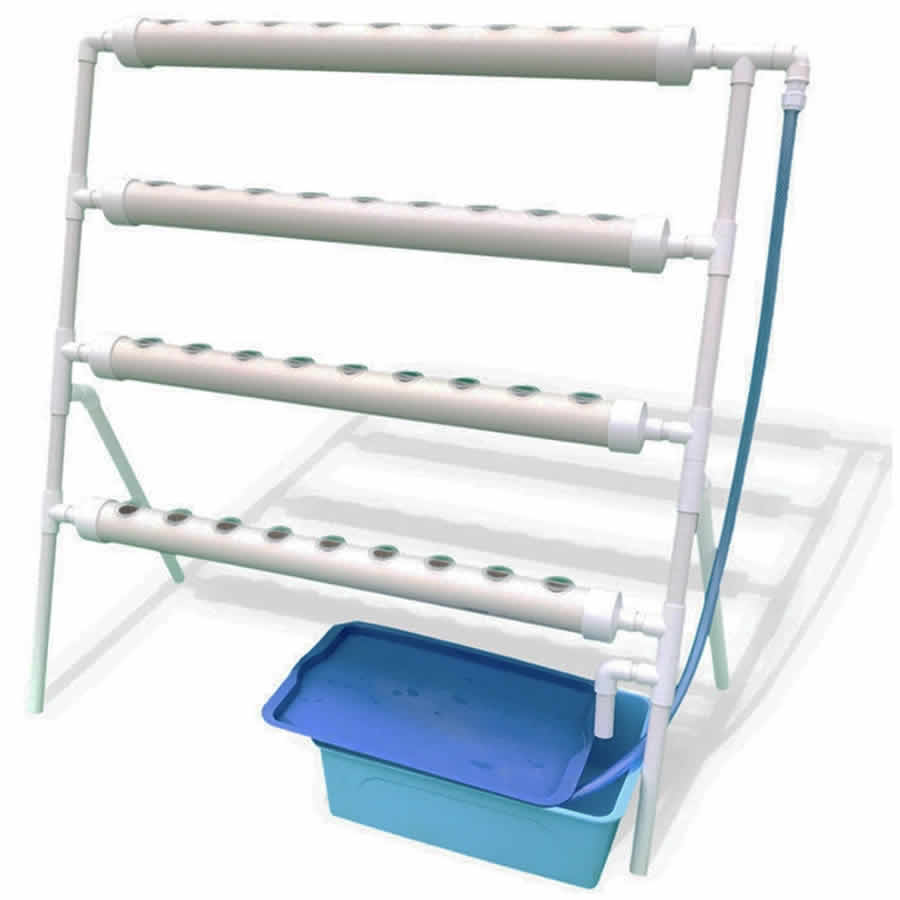
NFT Hydroponic Systems
Deep Water Culture
Grow Lights
Grow Tents
Accessories
Common questions
Where can I learn more about hydroponic gardening techniques?
Learn more from hydroponics equipment suppliers, online forums, gardening blogs, and educational resources dedicated to hydroponic gardening practices.
What is the difference between hydroponic and traditional soil gardening?
Hydroponic gardening uses water and nutrients directly to the roots without soil, offering faster growth rates and higher yields in controlled conditions.
Can I grow fruits and vegetables in a hydroponic garden?
Absolutely, fruits and vegetables thrive in hydroponic gardens, with many growers enjoying bountiful harvests of tomatoes, strawberries, lettuce, and more.
How do Hydroponics Equipment Suppliers ensure product quality?
Suppliers ensure quality by sourcing from reputable manufacturers, conducting quality checks, and offering warranties on their products.
What is the best grow medium for hydroponic systems?
The best grow medium depends on the system; popular choices include rockwool, clay pebbles, and coco coir, offering support and aeration to roots.
Can Hydroponic Supplies be automated for easier maintenance?
Many systems and components can be automated, including lighting, watering, and nutrient delivery, simplifying maintenance and care.
How do I monitor pH and nutrient levels in my hydroponic system?
Monitor using pH meters and TDS (Total Dissolved Solids) meters, regularly testing the water to maintain optimal conditions for plant growth.
What is the ROI for investing in high-quality Hydroponic Equipment?
The ROI includes higher yields, faster growth rates, and savings on water and nutrients, with quality equipment reducing long-term costs.
Can hydroponic gardens grow year-round?
Hydroponic gardens can indeed grow year-round, providing consistent light, temperature, and nutrients, independent of outdoor conditions.
What challenges can Hydroponics Equipment Suppliers help solve?
Suppliers can help solve challenges like nutrient imbalances, lighting requirements, and system optimization for different plant types.
Are there Hydroponic Supplies designed for small spaces?
Yes, there are compact systems designed for small spaces, such as countertop units and vertical towers, maximizing yield in limited areas.
How often should I change the nutrient solution in my hydroponic system?
Change the nutrient solution every 2-3 weeks or as recommended by the nutrient manufacturer to maintain optimal plant nutrition.
What is the best water source for hydroponic systems?
The best water source is filtered or reverse osmosis water, free from contaminants and chlorine, ensuring optimal plant health and growth.
Can I mix different brands of Hydroponic Equipment?
Yes, you can mix brands, but ensure compatibility, especially with electrical components and system parts, to maintain efficiency and safety.
How do I ensure my hydroponic garden is disease-free?
Ensure a disease-free garden by sterilizing equipment between uses, using clean water, and monitoring plants for early signs of disease for prompt treatment.
Do Hydroponics Equipment Suppliers offer support and advice?
Reputable suppliers provide expert advice, installation guidance, and ongoing support to help you achieve success in your hydroponic endeavors.
What advancements are there in Hydroponic Supplies?
Recent advancements include smart hydroponic systems with app-based monitoring and control, improved LED light spectrums, and automated nutrient dosers.
How do I maintain my hydroponic system?
Maintain by regularly checking and cleaning equipment, monitoring water and nutrient levels, and replacing grow lights and filters as needed.
Are there eco-friendly Hydroponic Equipment options?
Yes, eco-friendly options include solar-powered pumps and LED lights, as well as biodegradable grow mediums, supporting sustainable gardening practices.
What is the lifespan of Hydroponic Supplies like pumps and lights?
Quality pumps and LED lights can last several years with proper care, often exceeding 5 years for LEDs and 3-4 years for water pumps.
Can Hydroponics Equipment Suppliers customize kits?
Many suppliers offer customization, allowing you to tailor kits based on your space, the plants you wish to grow, and your level of experience.
How do I choose the right Hydroponic Equipment for tomatoes?
For tomatoes, select systems that support larger plants, such as drip systems or ebb and flow, with high-quality nutrients and powerful grow lights.
What Hydroponic Supplies are needed for leafy greens?
Leafy greens require nutrient-rich solutions, lower-intensity grow lights, and systems like deep water culture or NFT for optimal growth.
How energy-efficient are hydroponic grow lights?
Modern hydroponic grow lights, especially LED options, are highly energy-efficient, providing intense light with minimal electricity consumption.
Do Hydroponics Equipment Suppliers offer organic nutrients?
Many suppliers offer organic nutrient solutions, catering to growers who prefer organic hydroponic farming for healthier, sustainable growth.
What is the cost range for starting a hydroponic garden?
Starting a hydroponic garden depends on scale and technology.
Can Hydroponic Equipment be used outdoors?
Yes, while designed for indoor use, certain hydroponic systems can be adapted for outdoor use, offering flexibility in growing locations.
What are essential Hydroponic Supplies for beginners?
Essential supplies include a grow tent or tray, nutrient solution, water pump, air pump, pH test kit, and grow lights, providing the basics for starting a hydroponic garden.
How do Hydroponics Equipment Suppliers differ?
Hydroponics Equipment Suppliers vary in specialty, offering everything from basic starter kits to advanced systems and nutrients tailored for specific plants, catering to both hobbyists and commercial growers.
What is Hydroponic Equipment?
Hydroponic Equipment encompasses tools and systems for growing plants in water without soil, including nutrient reservoirs, pumps, grow lights, and pH meters, facilitating efficient indoor gardening.